Wildebeest crossing a river during the Great Migration in Tanzania

The Great Migration

A year-round movement,
never a scheduled show.

The Great Migration can be extraordinary, but no honest specialist can promise the exact position of the herds or a river crossing.

Scroll to explore

Our take

Plan for the ecosystem,
not one crossing.

The Great Migration can be extraordinary, but no honest specialist can promise the exact position of the herds or a river crossing.

The herds move through the wider Serengeti ecosystem throughout the year, with timing governed by rainfall and grazing. We choose between the southern plains, western corridor and northern Serengeti according to your dates, rather than treating the Migration as a single July-to-October event.

The strongest migration safari is still a complete safari. It should allow time for resident wildlife, excellent guiding and the character of the landscape, rather than reducing the journey to a single crossing that nobody can schedule.

The seasonal circuit

A moving ecosystem.

More than a million wildebeest, accompanied by zebra and gazelle, follow fresh grazing and water through the Serengeti–Mara ecosystem. The pattern is broadly circular, but rainfall can bring the movement forward, hold it back or split the herds.

  • Camp position matters. A Serengeti address alone does not guarantee useful access.
  • Crossings are unpredictable. No responsible specialist can promise a date, time or river.
  • Stay long enough. Four nights in the right area give the landscape time to reveal itself.
01

January—March

The southern plains

The herds usually spread across the short-grass plains of the southern Serengeti and Ndutu. Calving peaks broadly in February, drawing cheetah, lion and hyena. This is less about one dense column than animals dispersed across fertile plains.

Consider Kusini Serengeti
02

April—June

North through the west

As the long rains ease, the herds generally move through the central Serengeti towards the western corridor. The Grumeti River can produce crossings, but the wider draw is a changing landscape, fewer vehicles and strong resident wildlife.

Consider Grumeti Serengeti River Lodge
03

July—October

The northern reaches

The herds are broadly in the northern Serengeti and greater Mara ecosystem. Mara River crossings are dramatic but sudden: a herd can gather for hours or days, cross elsewhere or turn away completely.

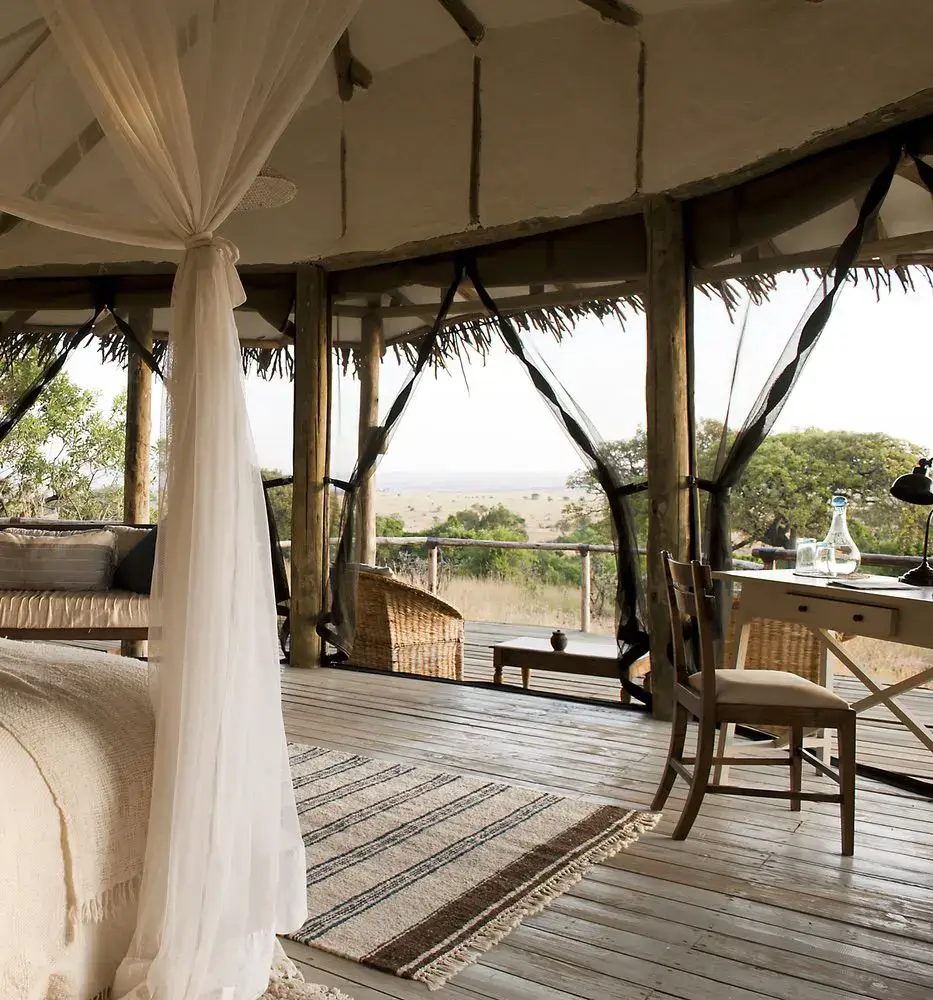
Consider Lamai Serengeti
04

November—December

The return south

Short rains usually draw the herds back through the eastern and central Serengeti towards the southern plains. Timing varies, but fresh grazing and gathering storm clouds can create superb photography and lower visitor numbers.

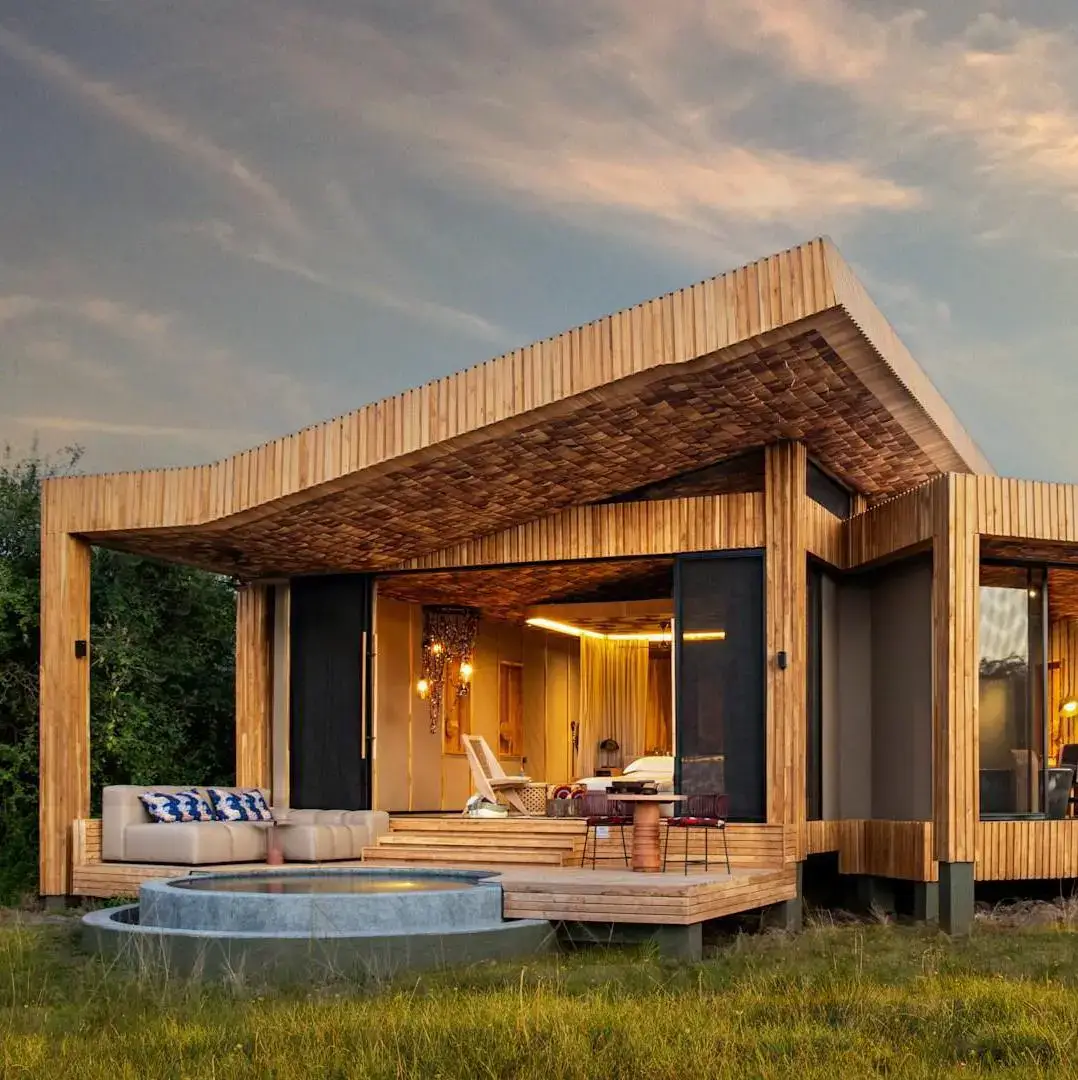
Consider Namiri Plains

The honest answer

The best dates depend on which part of the story you want to see.

Calving season, the western movement and the northern river season are very different safaris. We use historical patterns to choose the broad area, then prioritise flexible guiding and enough time on the ground.

See the Migration itinerary

Start planning

Plan around the movement,
not a promise.

Tell us your dates and we will explain which Serengeti area makes the most sense.

Start planningor call +44 (0) 1235 635749