Wildlife
Katavi can produce remarkable concentrations of buffalo, hippo, crocodile and elephant, with lion and other predators following the movement of prey.
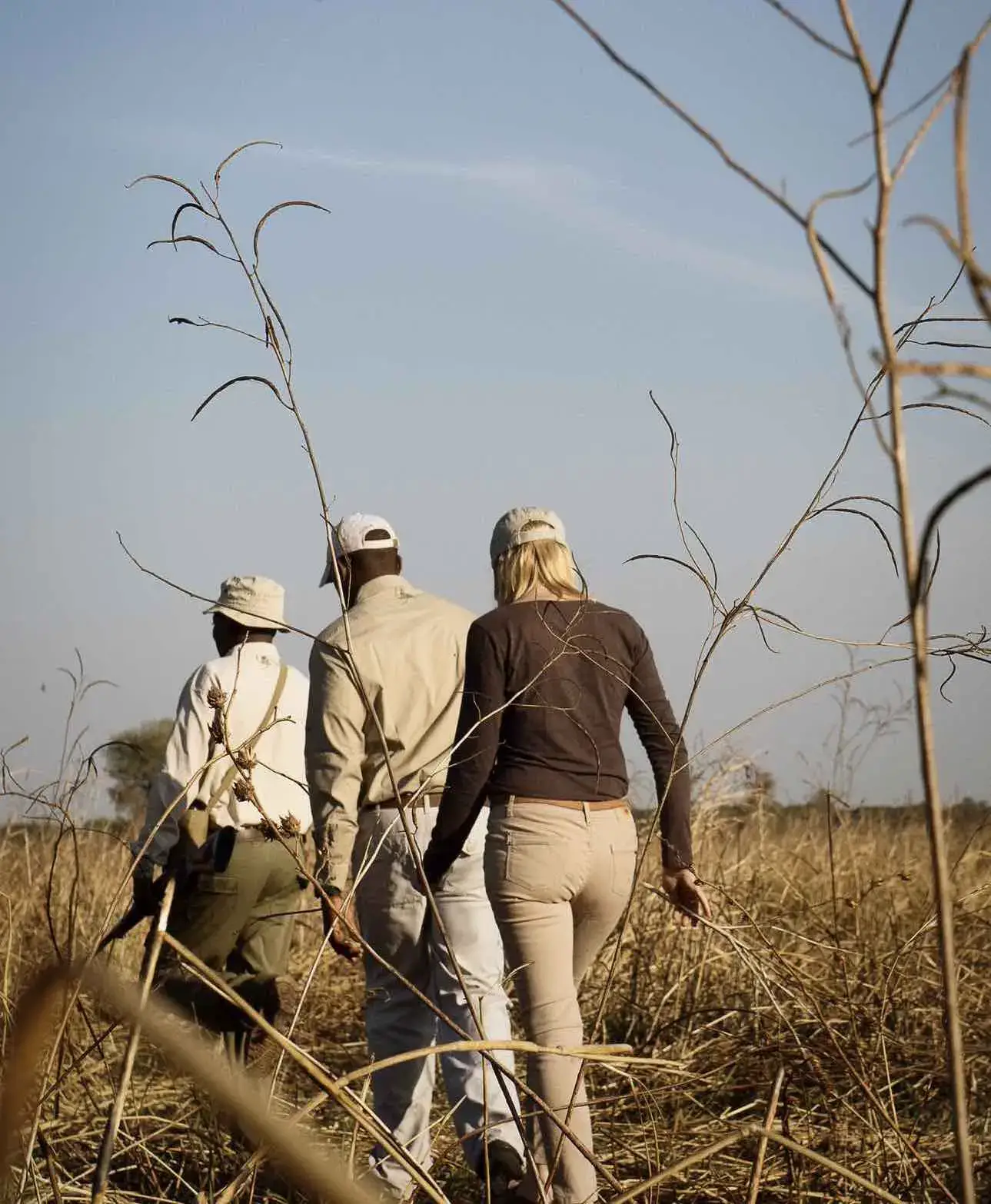
Western Tanzania
Remote, uncompromising and among Tanzania’s least visited parks.
Our take
The cost and shared charter schedule make Katavi best for travellers willing to invest time. Combine it with Mahale for a contrasting week in the west.
Katavi is for travellers who value remoteness and are willing to make the journey part of the adventure. Its seasonal floodplains, rivers and pools can draw impressive concentrations of wildlife as the dry season advances. Conditions change markedly through the year, and both camp operations and access need checking against your dates.
We would give Katavi at least three nights rather than treating it as a brief detour. The additional cost and limited flights are easier to justify when you have time to settle into the park and explore with a strong guide. The experience is less polished and predictable than a classic northern circuit, which is exactly why some travellers choose it.
Katavi is most often paired with Mahale for a western Tanzania itinerary combining remote savannah and chimpanzee tracking. The transport schedule shapes the order. Chada Katavi is the stay in our current collection, linked below for its rooms, activities and setting.
Katavi can produce remarkable concentrations of buffalo, hippo, crocodile and elephant, with lion and other predators following the movement of prey.
The dry season from June to October brings wildlife towards the remaining rivers and pools. Seasonal access makes advance planning essential.
The cost and shared charter schedule make Katavi best for travellers willing to invest time. Combine it with Mahale for a contrasting week in the west.
Where to stay
These are the properties currently featured in our Tanzania collection. We recommend them selectively according to the route, season, party and style of trip.
Start planning