Best Times to Visit Serengeti National Park: Discovering Peak Serengeti Seasons
- Ben Nelson

- 1 day ago
- 4 min read
When planning a trip to the Serengeti, timing is everything. This iconic national park in Tanzania offers a spectacular wildlife experience all year round, but certain months truly stand out. Knowing the peak Serengeti seasons can help you make the most of your adventure, whether you want to witness the Great Migration, spot the Big Five, or enjoy a quieter safari. Let me guide you through the best times to visit this incredible destination, so you can plan your dream safari with confidence.
Understanding the Peak Serengeti Seasons
The Serengeti’s wildlife patterns and weather conditions shape the best times to visit. The park experiences two main seasons: the dry season and the wet season. Each has its own unique appeal and challenges.
Dry Season (June to October): This is the most popular time to visit. The weather is sunny and dry, making it easier to spot animals as they gather around waterholes. The vegetation is less dense, so wildlife viewing is excellent. This period also coincides with the Great Migration’s dramatic river crossings.
Wet Season (November to May): The park transforms with lush greenery and blooming flowers. Although some roads may be muddy, this season offers fewer tourists and lower prices. It’s a fantastic time for birdwatching and seeing newborn animals.
The peak Serengeti seasons are generally during the dry months, but each season offers something special. For example, if you want to see the wildebeest migration, timing your visit between July and September is ideal.
When to Witness the Great Migration
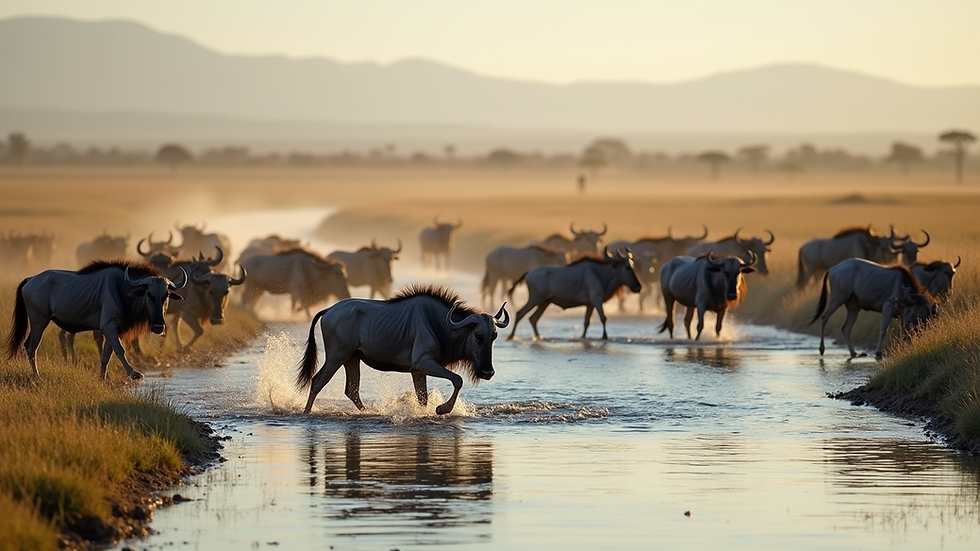
One of the most awe-inspiring natural events on Earth is the Great Migration. Over a million wildebeest, accompanied by zebras and gazelles, move in a circular pattern through the Serengeti and Maasai Mara in Kenya. This journey is driven by the search for fresh grazing and water.
December to March: The herds are mostly in the southern Serengeti, calving and resting in the Ndutu area. This is a great time to see newborn calves and predators in action.
April to May: The migration moves northwest as the rains begin. The landscape is green, but some roads may be challenging.
June to July: The herds start moving north towards the Grumeti River.
August to October: This is the highlight for many visitors. The wildebeest cross the crocodile-infested Mara River, a dramatic and dangerous spectacle.
If you want to catch this event, plan your trip around these months. Booking early is essential as this is the busiest time in the park.
How Expensive Is It to Visit Serengeti?
Visiting the Serengeti can be a significant investment, but it’s worth every penny for the unforgettable experiences. Costs vary depending on the season, accommodation, and type of safari.
High Season (June to October, December to February): Prices are at their peak due to demand. Expect higher rates for lodges, camps, and flights.
Low Season (March to May, November): You can find better deals and discounts. However, some lodges may close during the wettest months.
Here’s a rough breakdown of typical expenses:
Park Fees: Around $60 per person per day for international visitors.
Accommodation: Budget options start at $100 per night, while luxury lodges can exceed $1,000 per night.
Safari Packages: Group safaris may cost $200-$400 per day, while private safaris can be $500 or more per day.
Flights: Domestic flights from Arusha or Kilimanjaro to Serengeti airstrips range from $150 to $300 one way.
To get the best value, consider travelling during shoulder seasons when the weather is still good, but prices are lower. Booking through a reputable company ensures you get a tailored experience that fits your budget and interests.

What Wildlife Can You Expect to See?
The Serengeti is famous for its incredible biodiversity. Depending on when you visit, you can expect to see:
The Big Five: Lions, elephants, buffalo, leopards, and rhinos.
Great Migration: Wildebeest, zebras, and gazelles in massive herds.
Predators: Cheetahs, hyenas, and wild dogs.
Birdlife: Over 500 species, including ostriches, eagles, and vultures.
Other mammals: Giraffes, hippos, crocodiles, and various antelope species.
During the dry season, animals concentrate near water sources, making sightings easier. The wet season brings lush landscapes and many newborn animals, offering a different but equally rewarding experience.
Tips for Planning Your Serengeti Safari
To make the most of your trip, here are some practical tips:
Book Early: Especially if you want to visit during the peak Serengeti seasons or witness the Great Migration.
Choose the Right Accommodation: From luxury lodges to mobile camps, pick what suits your style and budget.
Pack Smart: Lightweight clothing, sun protection, binoculars, and a good camera are essentials.
Stay Flexible: Weather and animal movements can be unpredictable. Trust your guides and be ready to adapt.
Respect the Environment: Follow park rules and support sustainable tourism to help preserve this natural wonder.
By planning carefully, you’ll enjoy a seamless and deeply immersive safari experience.
Embracing the Magic of the Serengeti
The Serengeti is more than just a park - it’s a living, breathing ecosystem full of drama, beauty, and life. Whether you’re chasing the Great Migration, spotting elusive predators, or simply soaking in the vast landscapes, the timing of your visit can make all the difference.
If you want to find out more about the best time to visit Serengeti National Park, I encourage you to explore detailed guides and expert advice. With the right timing, your Serengeti adventure will be nothing short of extraordinary.
Happy safari planning!


Comments