Safari Clothing Tips: What to Wear on a Safari in Tanzania

Embarking on a safari in Tanzania is a thrilling adventure filled with breathtaking landscapes and incredible wildlife encounters. But before you set off on this unforgettable journey, one important question arises: what should you wear? Choosing the right clothing can make a huge difference in your comfort, safety, and overall experience. I’ve put together some practical safari clothing tips to help you pack smart and enjoy every moment of your trip.
Essential Safari Clothing Tips for Comfort and Safety
When packing for a safari, comfort and practicality are key. The weather in Tanzania can vary, with hot days and cooler mornings and evenings, so layering is essential. Here are some must-have items:
Lightweight, breathable fabrics: Choose clothes made from cotton or moisture-wicking materials. These fabrics keep you cool during the heat of the day and dry quickly if you get caught in a light rain.
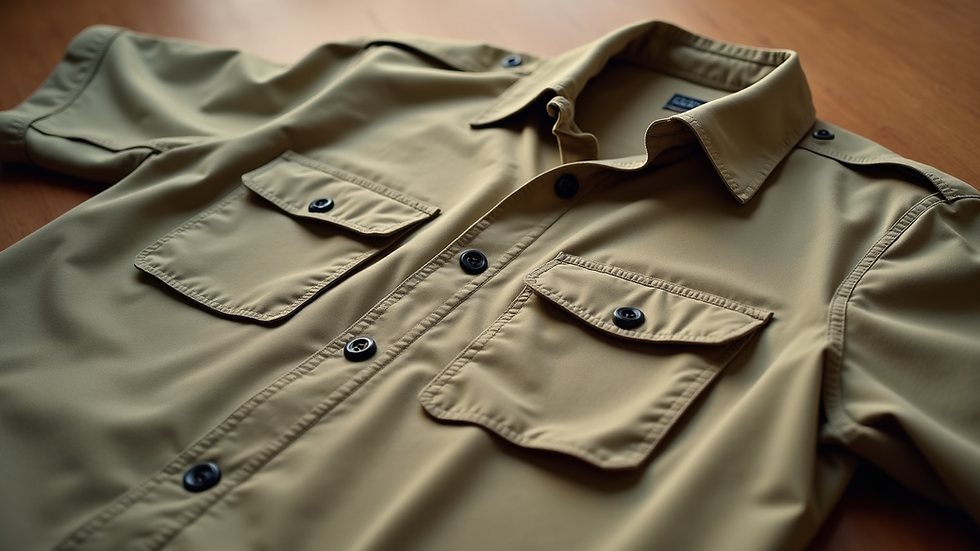
Neutral colours: Stick to khaki, beige, olive, or other earth tones. These colours blend with the environment and help you avoid attracting unwanted attention from wildlife.
Long sleeves and trousers: These protect your skin from sunburn, insect bites, and thorny bushes. Lightweight long sleeves are perfect for daytime, while warmer layers are great for early morning game drives.
Wide-brimmed hat: A hat with a wide brim shields your face and neck from the sun, reducing the risk of sunstroke.
Comfortable walking shoes: Sturdy, closed-toe shoes or lightweight hiking boots are ideal for walking safaris or exploring camps.
Don’t forget to pack a pair of sunglasses with UV protection and a good quality sunscreen. These simple items will keep you comfortable and safe under the African sun.

Layering for Changing Weather Conditions
Tanzania’s climate can be unpredictable, especially during the early morning and late afternoon game drives when temperatures drop. Layering your clothing allows you to adjust easily throughout the day.
Start with a lightweight base layer such as a breathable t-shirt or long-sleeve shirt. Add a fleece or light jumper for warmth during chilly mornings. A windproof jacket is also a smart addition, especially if you plan to take a hot air balloon safari or spend time near water.
In the evenings, temperatures can dip significantly, so having a warm layer is essential. Thermal tops or leggings can be worn under your trousers for extra insulation without adding bulk.
Remember, layering is not just about warmth but also about flexibility. You want to be able to remove or add layers quickly as the temperature changes.
Footwear and Accessories: Practical Choices for Safari
Choosing the right footwear is crucial for both comfort and safety. Closed-toe shoes protect your feet from insects, thorns, and rough terrain. Lightweight hiking boots or sturdy trainers with good grip are perfect for walking safaris and game drives.
Avoid sandals or open shoes, as they expose your feet to bites and scratches. If you plan to do any walking, make sure your shoes are well broken-in before your trip to prevent blisters.
Accessories can enhance your safari experience:
Binoculars: A compact pair helps you spot distant animals without disturbing them.
Scarf or buff: Useful for protecting your neck from sun and dust.
Insect repellent: Essential to keep mosquitoes and other bugs at bay.
Daypack: A small backpack to carry water, camera, and personal items during excursions.
Packing these practical items ensures you’re prepared for every moment of your safari adventure.

Fabrics and Colours: Why They Matter
The choice of fabric and colour is more than just a style preference on safari. It affects your comfort and safety in the wild.
Fabrics: Natural fibres like cotton and linen are breathable and comfortable but can wrinkle easily. Synthetic fabrics such as polyester blends dry faster and resist wrinkles, making them ideal for active days. Many safari clothes now use moisture-wicking materials that keep sweat away from your skin, helping you stay cool.
Colours: Bright colours and dark shades are best avoided. Bright colours can startle animals, while dark colours attract tsetse flies, which can be a nuisance. Earth tones like beige, olive, and brown blend into the environment, helping you stay unnoticed by wildlife.
Avoid white clothing as it can get dirty quickly and may attract insects. Also, steer clear of camouflage patterns, which are often discouraged in safari parks.
Packing Smart: Additional Tips for Your Safari Wardrobe
Packing light but smart is the key to a hassle-free safari. Here are some extra tips to keep in mind:
Bring enough socks and underwear: These items are essential for hygiene and comfort, especially if laundry services are limited.
Include swimwear: Many lodges have pools or hot tubs, so pack swimwear if you want to relax after a day of adventure.
Don’t forget sleepwear: Nights can be cool, so pack comfortable pyjamas or thermal sleepwear.
Carry a rain jacket or poncho: Rain showers can happen unexpectedly, especially during the wet season.
Limit jewellery and accessories: Keep it simple to avoid losing valuable items or attracting insects.
By packing thoughtfully, you’ll have everything you need without being weighed down by unnecessary items.
Ready for Your Safari Adventure
Choosing the right clothes for your safari is about balancing comfort, safety, and practicality. With these safari clothing tips, you’ll be well-prepared to enjoy Tanzania’s stunning landscapes and incredible wildlife without distraction.
If you’re wondering about what to wear on a safari in Tanzania, this guide should give you a solid foundation. Remember, the right clothing helps you focus on the magic of the experience, not on discomfort or inconvenience.
Pack smart, stay comfortable, and get ready for the adventure of a lifetime!



Comments