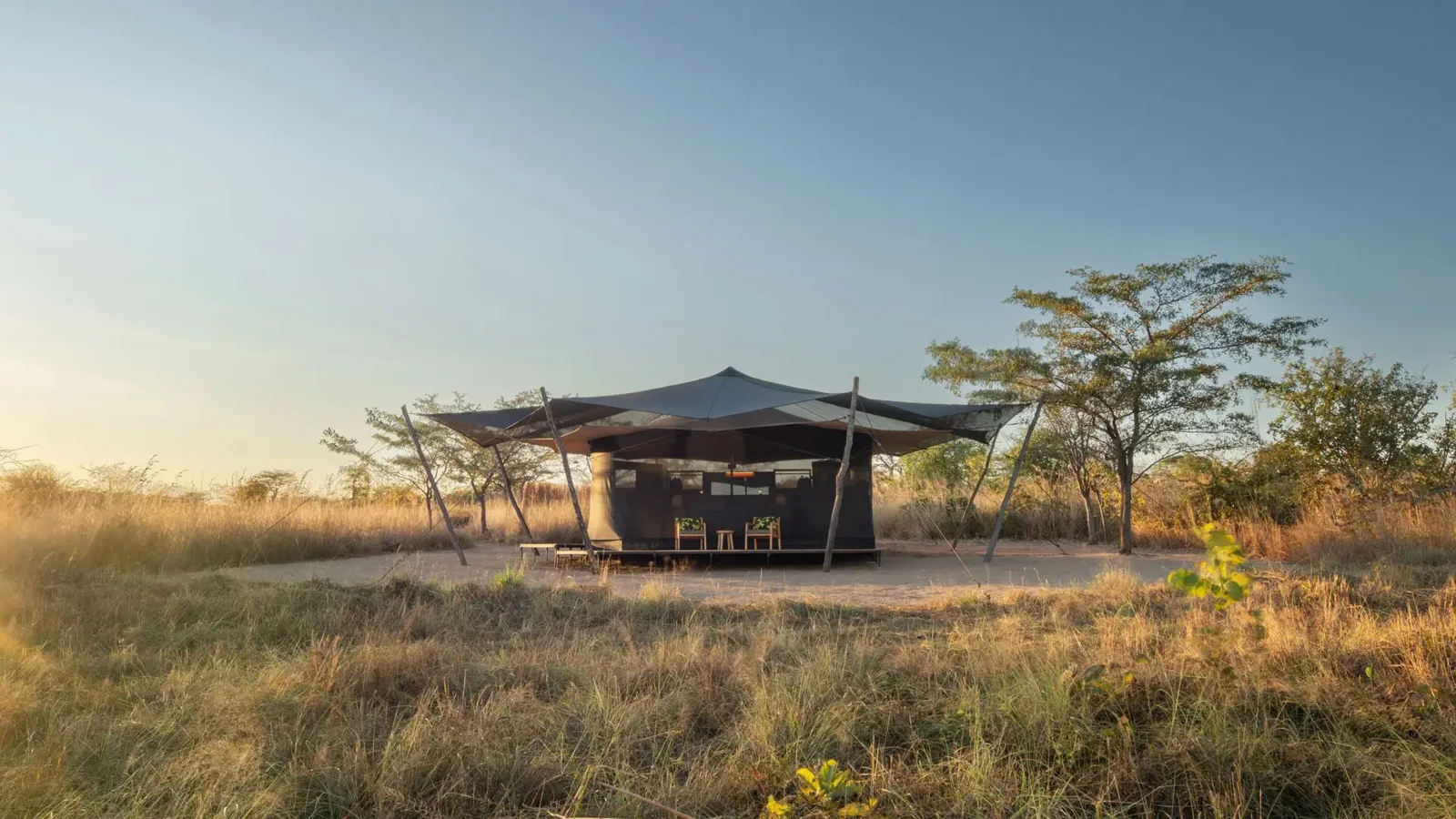
Usangu Expedition Camp in Ruaha

Ruaha · Asilia

Usangu Expedition Camp

Explore Ruaha
Explore below ↓
LocationRuaha, Tanzania
Accommodation6 tents
Price guide$$$ · Entry luxury

Indicative price guide. Dates, room choice, offers and private-use arrangements affect the final price.

Our take

About Usangu Expedition Camp

Usangu Expedition Camp explores the remote wetlands and floodplains in southern Ruaha, where safari tourism supports the area’s conservation. The Ihefu wetland, floodplains and miombo woodland provide a broad ecological setting for the stay. Birdlife and less familiar antelope species add interest alongside larger wildlife. The experience combines a small camp with guiding and interpretation, inviting guests to understand why this part of the Ruaha landscape matters as well as observe its animals.

The camp stands beneath miombo woodland beyond the high-water mark. Its information centre and local team help explain the importance of this lesser-visited ecosystem.

The camp’s Douglas Bell Information Centre helps explain the wetlands and their conservation role. Open living spaces, a modest footprint and staff drawn from surrounding communities keep the experience centred on the landscape. The layout faces the seasonal wetland rather than separating guests from it with an enclosed hotel-style setting.

01

Accommodation

Rooms

Six guest tents have private decks, shaded verandas and en-suite bathrooms with hot showers.

Raised platforms and mesh-sided tents maximise views while keeping the accommodation simple. Each has a private veranda, an en-suite bathroom and a hot shower. The six-tent scale supports a small-camp atmosphere. This is an expedition-minded stay with comfort, rather than the extensive facilities of a large safari lodge. Double and twin sleeping arrangements are available within the tented accommodation.

02

Food & drink

Dining

Meals reflect the expedition atmosphere: picnics on safari, outdoor lunches and dinners cooked over the campfire.

Breakfast can be taken as a picnic for an early departure or enjoyed in camp. Lunch is often served outdoors in shade, while dinner is cooked over the open fire. This creates a communal focal point for the evening and complements the exploratory rhythm of the days.

03

What to do

Activities

Private game drives, walking, birdwatching and optional fly camping deepen the wilderness experience. The camp operates from June to November and welcomes children aged twelve and above.

A private guide and vehicle allow time to explore the wetlands, miombo woodland and seasonal floodplains. Night drives, birdwatching and optional fly camping broaden the programme. Interpretation of the ecosystem is an important element; we would establish your interests before booking rather than assume every guest wants an identical expedition.

Planning your stay

Build this into your Tanzania journey.

We would normally consider at least three nights, and longer for guests keen on birding or walking. The purpose of adding Usangu should be to spend time in a less familiar landscape, not merely to collect another national park name. Pairing it with a different Ruaha camp can provide a varied stay within one wider region.

The right fit

Would Usangu Expedition Camp suit you?

Who it suits

Our view: best for curious safari travellers who enjoy guiding, ecological context and a small camp. It can be especially rewarding after previous savannah safaris, or for older families whose children like exploring rather than resort-style entertainment.

Things to consider

The camp normally operates June to November and welcomes guests aged twelve and above. Jongomero airstrip is around two hours away, making flight and transfer planning important. We would confirm the activity programme for your month and explain the expedition character before comparing it with a lodge chosen primarily for a pool or spa. A minimum three-night stay applies.

Tailor-made Tanzania

Would this suit
your journey?

We will help you compare the setting, rooms and activities with the alternatives for your dates.

Start planning