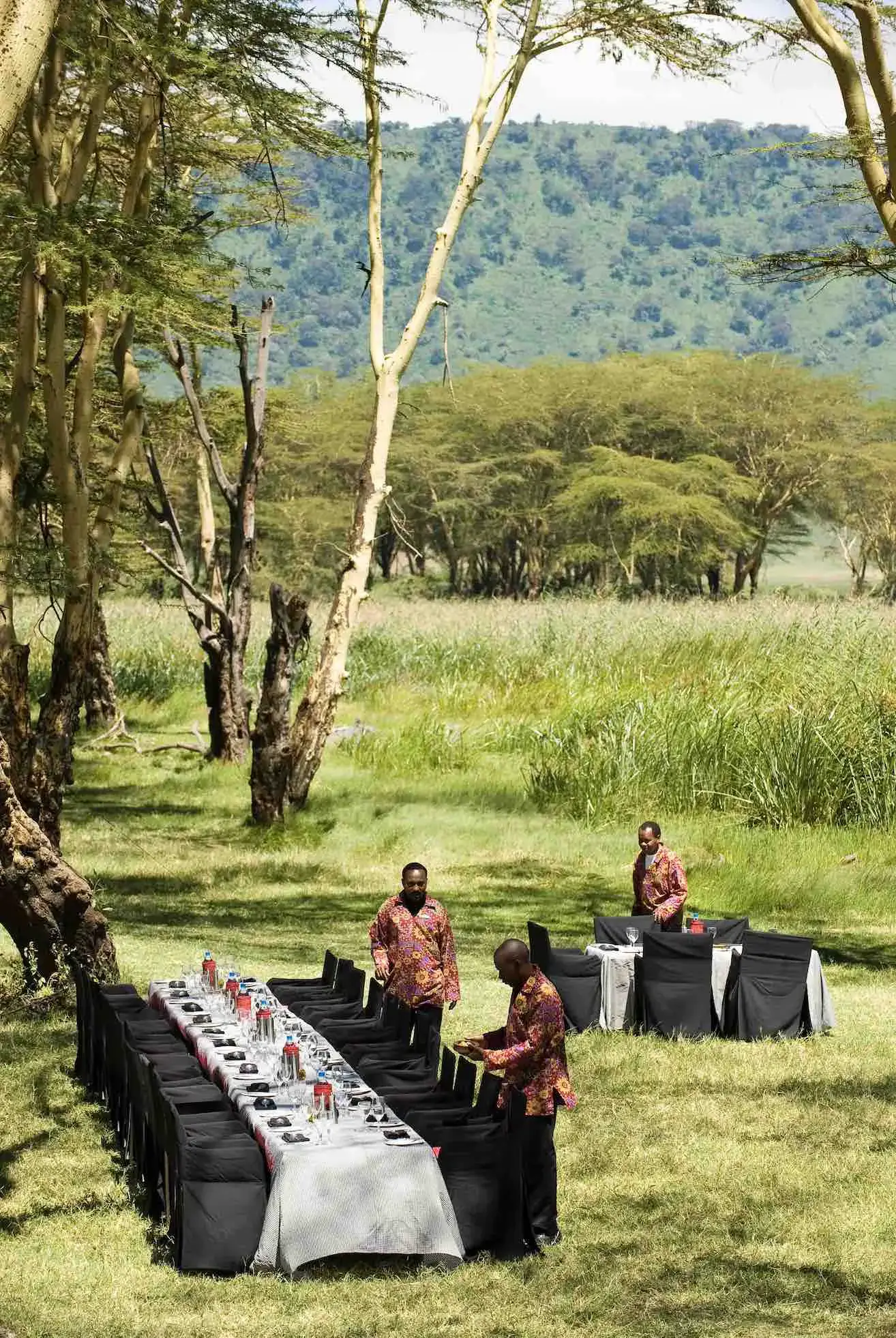
Serengeti and Ngorongoro
The Serengeti is outstanding for lion, leopard and plains wildlife, while Ngorongoro provides concentrated viewing and one of the better chances of seeing black rhino.
Lions are a major attraction in the Serengeti, while leopard sightings depend on habitat, guiding and luck. The crater packs a remarkable variety of resident wildlife into a relatively small area, but its popularity means the experience is different from a quiet camp in a vast ecosystem. Combining these places can make sense, provided you have time to enjoy both. We do not treat a single drive as a guarantee of any species, and we would not choose a camp solely on a claim that all five might be seen nearby.
Elephant country
Tarangire and Ruaha are particularly rewarding for elephant. Buffalo occur widely, often in impressive herds in the larger and less visited southern and western parks.
Tarangire’s elephant herds and baobab landscape can make it one of the most memorable stops on a northern circuit, particularly as dry-season water becomes scarce. Ruaha’s large landscapes offer another rewarding elephant experience, with strong predator viewing and fewer vehicles. Buffalo can occur in substantial herds, but their position changes with water and grazing. Different parks tell different stories; the best route may combine habitat variety rather than repeating similar game drives in several places.
Rhino requires perspective
Black rhino remain rare and carefully protected. Ngorongoro is the most realistic inclusion for travellers hoping to see one, but sightings can never be guaranteed.
Rhino are the difficult member of the list. Ngorongoro Crater is generally the most practical place to include a realistic chance of black rhino on a Tanzania route, yet sightings are distant or absent on some days. Protection of these animals matters more than a promised close photograph. A safari should still feel successful if the rhino remains out of view. We prefer to set expectations honestly and leave room for the unexpected encounters that often become the highlight.
Look beyond five species
Wild dog in the south, chimpanzees in Mahale, cheetah on open plains and Tanzania’s exceptional birdlife can become the most memorable parts of a journey.
Cheetah on the open plains, wild dog in parts of the south and chimpanzees in Mahale each call for different geography and planning. Smaller sightings can be just as compelling: tracks in the sand, birdlife beside a river or a quiet hour watching elephant behaviour. A skilled guide makes these moments meaningful. The Big Five can be a useful starting point, but planning only around a checklist may overlook the very experiences that make Tanzania distinctive.
What season changes
Drier months can draw animals towards remaining water, while greener months bring different light, bird activity and young animals in some areas. Predator sightings are never simply a function of the calendar. The best month for you depends on the parks in your route and whether you value migration, open landscapes, fewer vehicles or a beach finish.
A route with variety
For a first safari, Tarangire, Ngorongoro and the Serengeti offer three quite different landscapes. If you have already travelled widely in Africa, Ruaha or Nyerere can add a less familiar rhythm. We would rather spend enough time in two well-chosen areas than rush through four parks in pursuit of one animal.