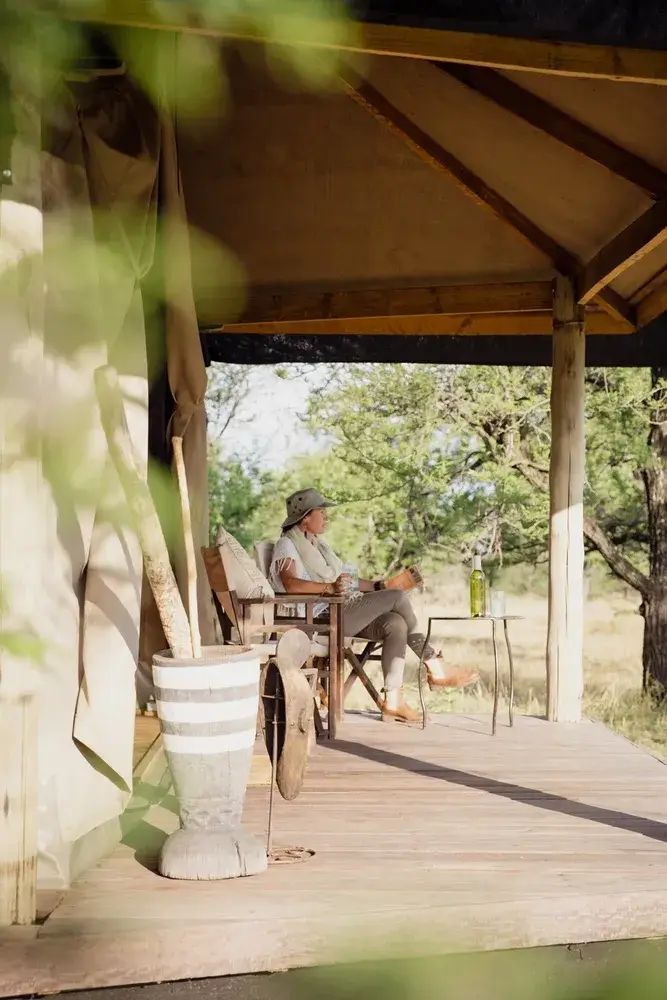
First-hand judgement
A specialist should distinguish between camps by location, guiding, access and atmosphere rather than relying on star ratings or a familiar name.
Ask a planner to explain why a camp is suitable for your exact month, not simply why it is beautiful. In the Serengeti, a property in the wrong area can mean long drives for the wildlife experience you hoped to have. Elsewhere, guiding style, vehicle arrangements, room configuration and access to walking or boating all change the stay. A knowledgeable specialist should be comfortable discussing a camp’s limitations as well as its strengths. The best recommendation follows your priorities rather than a fixed preferred-supplier list.
A route that makes sense
Ask why each area has been included, how long transfers take and what the season means for the route. Good planning often involves removing a stop.
The proposal should make the travel days understandable. Ask how long the road transfers take, whether light-aircraft flights are direct or may stop, and what happens after a late international arrival. A spectacular itinerary on paper may feel tiring if too many camps are packed into a short holiday. A specialist should explain why each area has been included and be willing to remove one if it improves the pace. That is particularly important when combining northern parks with the coast or attempting a remote western circuit.
Clear pricing
The proposal should state what is included and excluded, explain the basis of any guide price and identify where private arrangements or supplements apply.
Compare the inclusions, not only the final figure. Park fees, shared versus private vehicles, domestic flights, activities, drinks and beach meal plans can alter value substantially. A proposal should state the accommodation and room category, the basis of the guide price and what is not included. Pricing can change with availability and currency, so a written quotation for exact dates is more useful than a generic package figure. You should feel able to question a costly choice and understand what would change if the budget were adjusted.
Support throughout
Look for practical help before travel and a clear point of contact while away. Flight delays and weather disruption are easier to handle when one team owns the complete itinerary.
Planning continues after a deposit is paid. Entry requirements, luggage allowances, arrival instructions, local contacts and any special needs should be clear before travel. During the trip, there should be a practical way to reach the team if a flight is delayed or weather changes a connection. Ask who owns the complete itinerary and how issues are handled between separate suppliers. Support is most valuable when a real person knows the route and can coordinate its moving parts.
Questions worth asking
Why these regions for this season? What is the actual journey time between camps? Which experiences are included, and which require an additional payment or minimum age? How many nights would you recommend if one stop were removed? Clear, specific answers reveal more than a list of awards or superlatives.
Working with us
We normally begin with a conversation about dates, interests, pace and budget, then prepare a route with an explanation of each choice. Our planning advice is included in the service; supplier commission arrangements generally mean pricing comparable to booking direct. We remain involved before and during travel, while the final proposal sets out the current price and terms for your particular arrangements.